Pope Leo calls for 'openness' to Church reform that respects tradition
As a traditionalist movement threatens schism, Pope Leo XIV defended thoughtful liturgical reforms as a continuation of Catholic tradition.
 Josephine Peterson
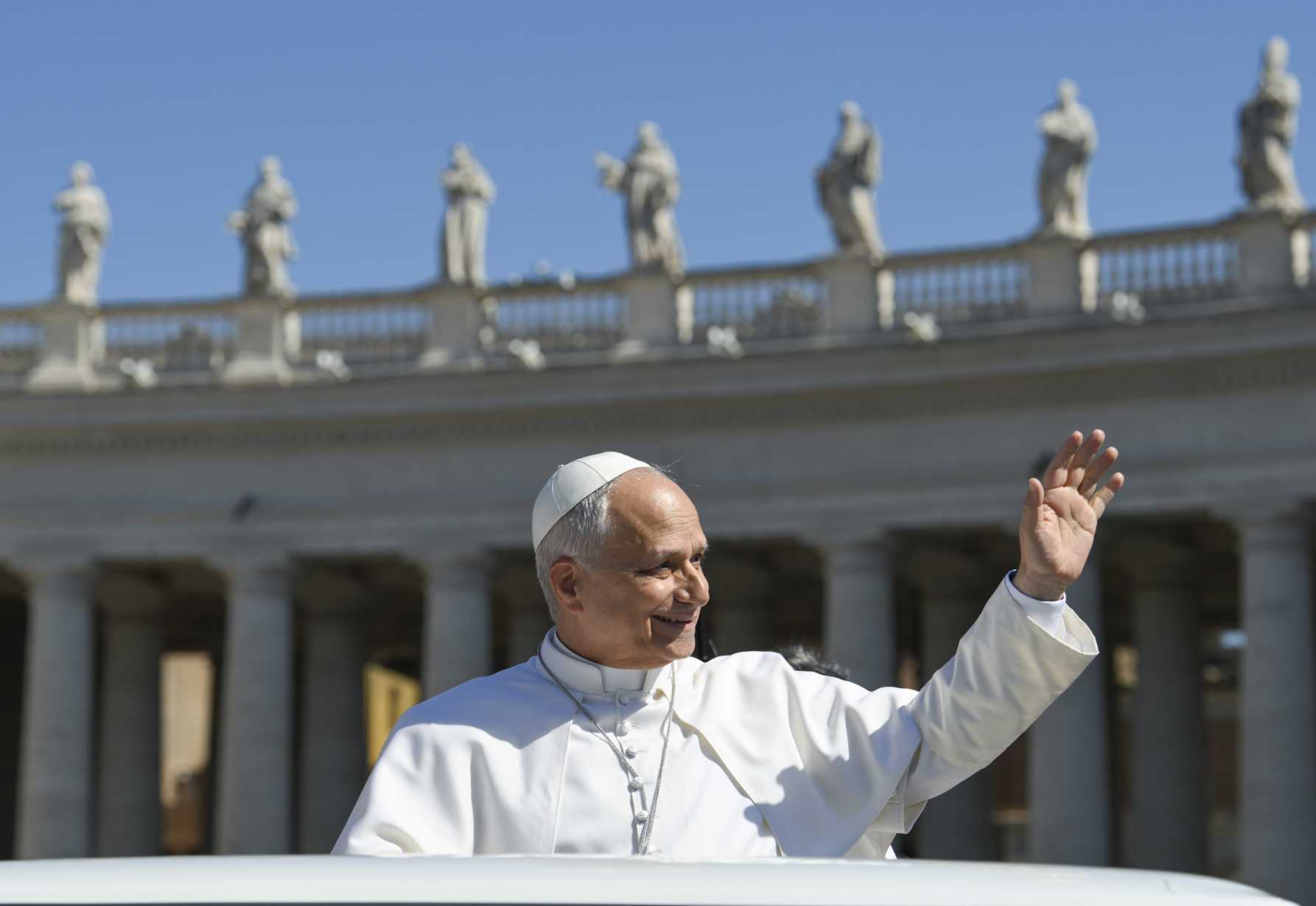
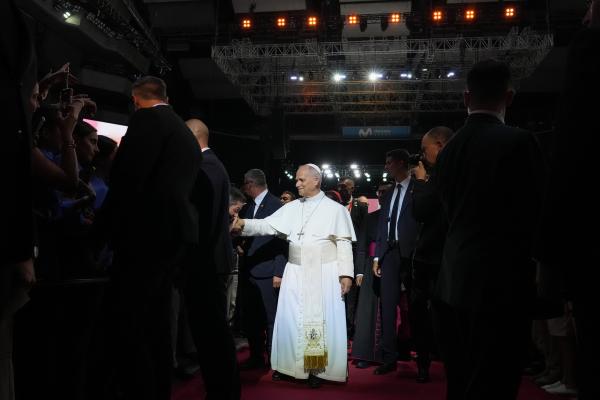
Pope Leo XIV greets visitors and pilgrims from the popemobile while riding around St. Peter’s Square at the Vatican before his weekly general audience May 27, 2026. (CNS photo/Vatican Media)
VATICAN CITY (CNS) -- Amid renewed tensions between the Vatican and traditionalist Catholics over the teachings of the Second Vatican Council, Pope Leo XIV defended Church reform as a legitimate process that adapts to current needs while remaining rooted in authentic tradition.
During his May 27 general audience in St. Peter’s Square, the pope said authentic renewal of the liturgy is acceptable and encouraged when the Church first engages in careful theological and pastoral study and then makes sure that “any new forms adopted should in some way grow organically from forms already existing."
"In a particular way, I encourage everyone to respect the texts and norms of the liturgy with openness, humility, trust in God’s greatness and with sincere fidelity to ecclesial communion," he said in his address to English speakers.
His remarks came weeks after the traditionalist Society of St. Pius X announced plans to move forward with ordaining new bishops without papal approval, despite warnings from the Vatican's Dicastery for the Doctrine of the Faith that such an act would be schismatic and carry automatic excommunication for the members involved in performing and receiving the consecrations.
In a May 13 statement published by the dicastery's prefect, Cardinal Víctor Manuel Fernández warned that "this action will constitute ‘a schismatic act’" and that "formal adherence to the schism constitutes a grave offense against God and entails the excommunication established by the law of the Church."
Founded in 1970 by Archbishop Marcel Lefebvre, the Society of St. Pius X has long opposed several teachings and reforms associated with Vatican II, particularly regarding the liturgy, ecumenism and religious liberty. Earlier this year, the group announced plans to consecrate bishops without papal authorization July 1, a move that would deepen its rupture with Rome.
In February, SSPX Superior General Father Davide Pagliarani, who resides at the society's headquarters in Switzerland, met with Cardinal Fernández, but the society later reaffirmed its intention to proceed with the consecrations.
Addressing French-speaking visitors during the general audience -, the pope prayed that "a liturgical renewal, faithful to the authentic tradition, may consolidate ecclesial communion and the full participation of the faithful."
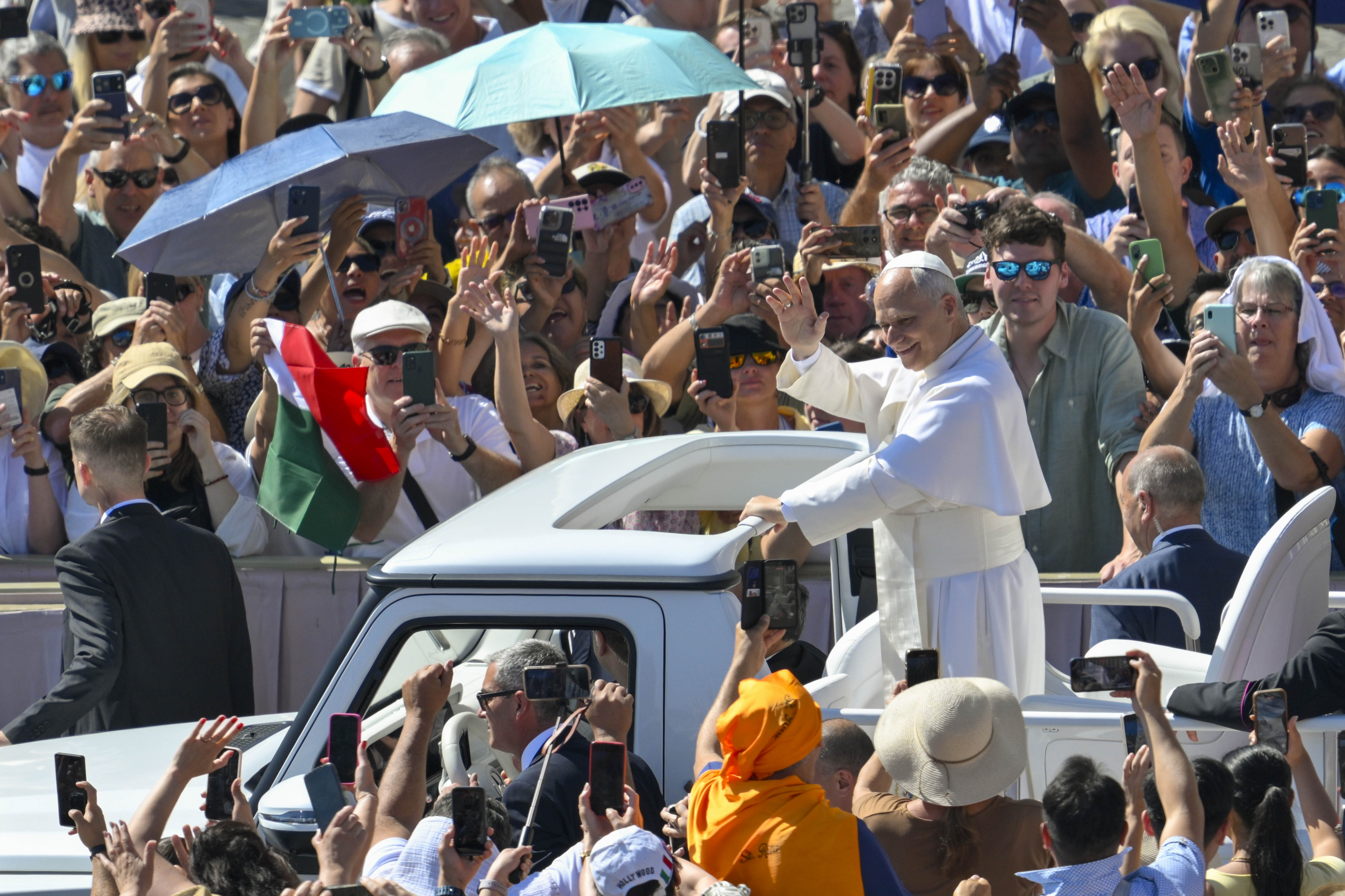
Throughout his general audience catechesis, Pope Leo repeatedly framed liturgical reform as part of the Church’s living tradition rather than a break from the past.
Quoting Pope Pius XII and the Second Vatican Council’s Constitution on the Sacred Liturgy, "Sacrosanctum Concilium," the pope said the Church "grows, matures, develops" while safeguarding the integrity of doctrine. He also reiterated the council’s call to preserve "sound tradition" while remaining open to "legitimate progress."
The pope said changes within the liturgy had taken place throughout the Church’s history in order to help the faithful participate more fully in the Paschal mystery and to allow the Church’s worship to become embodied within different cultures throughout history.
"Today, this energy must be renewed in continuity with the authentic and living Catholic tradition, that is, in accordance with a dynamic aimed at introducing believers to the fullness of the truth," he said.
Citing Pope Benedict XVI, Pope Leo said tradition and progress should not be viewed as opposites, recalling Benedict’s image of tradition as "a river" that carries its source within itself while continuing to flow forward.
At the same time, the pope stressed that any reform within the Church must be approached carefully and with ecclesial authority. Referencing "Sacrosanctum Concilium," he said reforms should only occur when "the good of the Church genuinely and certainly requires them" and after "careful theological, historical and pastoral" study.
"I therefore urge all those called to prepare the celebration of the divine mysteries, in particular
priests who exercise the ministry of liturgical presidency, to always uphold that respect for the texts and regulations of the liturgy which springs from an inner attitude of openness and trust in God, manifesting humility before His greatness and sincere fidelity to ecclesial communion," he said.