Technological advancements are not rivals to faith, pope says
Pope Leo XIV said scientific and technological advances can strengthen human flourishing when they remain rooted in faith, charity and respect for human dignity.
 Josephine Peterson

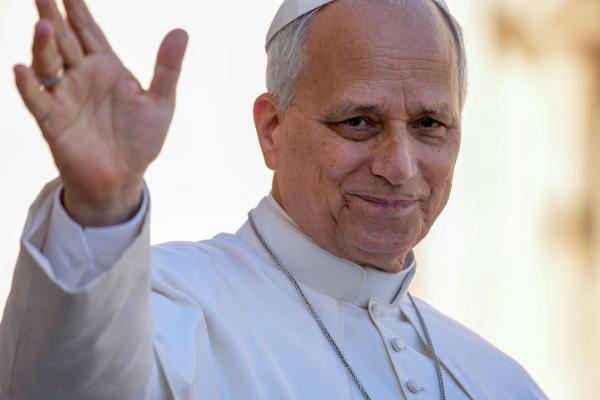
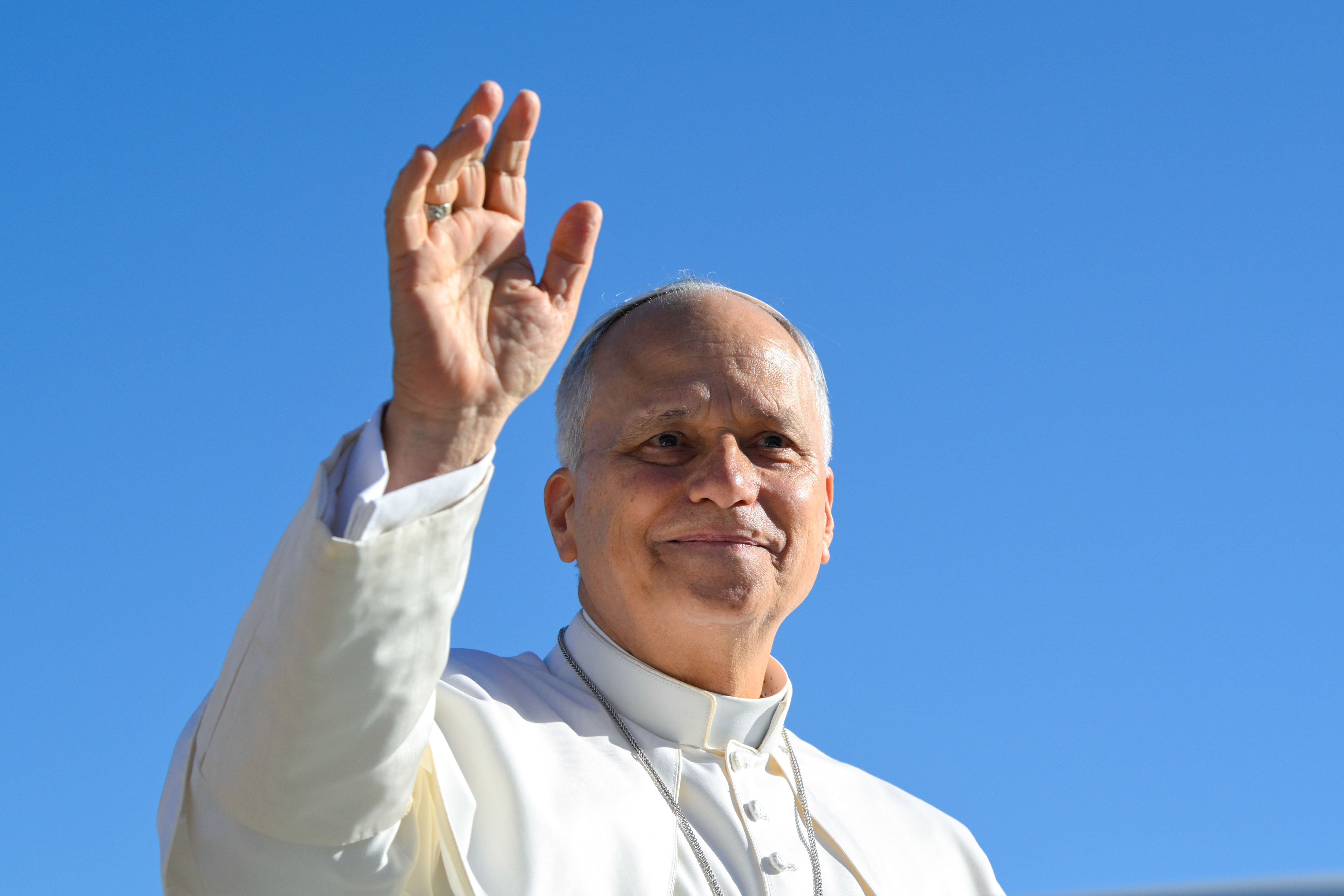
Pope Leo XIV smiles from the popemobile while riding around St. Peter’s Square at the Vatican before his weekly general audience Sept. 23, 2026. (CNS photo/Vatican Media)
VATICAN CITY (CNS) -- Progress in science and technology is not contrary to belief in God, and Christians should be actively involved in shaping that progress so that it serves human dignity and the common good, Pope Leo XIV said.
At his Sept. 23 general audience, the pope also pointed to Venerable Archbishop Fulton Sheen, who is set to be beatified Sept. 24 in St. Louis, as an example of a Catholic who embraced the technology of his time to spread the Gospel.
Continuing his series on documents of the Second Vatican Council, Pope Leo reflected on the council's conciliar constitution "Gaudium et Spes," particularly its teaching on human activity and progress in the world.
Created in the image and likeness of God, the human being is an agent of progress, the pope said, using freedom and intelligence to increase knowledge and advance society.
Yet as scientific and technological achievements multiplied, he said, some thinkers began portraying God and humanity as "rivals: in order to assert his knowledge, his freedom and his progress, man is thought to have to emancipate himself from God."
Pope Leo called that view erroneous and quoted the late theologian, Jesuit Father Henri de Lubac, who described it as the "tragedy of atheistic humanism."
"Ultimately, however, by denying the relationship with God, one also loses the possibility of affirming the transcendent value of the human person," the pope said.
Quoting the conciliar constitution, he said Christians instead believe "that the triumphs of the human race are a sign of God's grace and the flowering of His own mysterious design."
Human achievement, therefore, should not draw the faithful away from involvement in scientific, technological or social progress, the pope said. Rather, the Gospel calls them to participate in building society while keeping such progress oriented toward human flourishing.
"Let us carry out our daily activities with true charity, offering our work to the Lord both as a means for personal sanctification and as an expression of our desire ever more fully to bring about God's kingdom, especially through pursuing the common good, caring for the needy and defending human dignity," he told English-speaking pilgrims.
Humanity's freedom and activity are not absorbed or nullified by an encounter with God, Pope Leo said. Instead, humanity finds its fullest truth and freedom in Christ.
"From this perspective, an important truth emerges: to encounter God, the human being must not abandon his earthly occupations, but can live his vocation fully, carrying out his daily work well and sanctifying it," he said.
Christians, he said, should therefore participate fully in society's progress while reminding others of its "ultimate purpose."
Pope Leo's catechesis echoes his recent encyclical "Magnifica Humanitas," in which he addressed the development of artificial intelligence and stressed that technological advances must remain at the service of human dignity.
Authentic human progress, the pope said at the general audience, "must be inspired and guided by charity" and improve the lives of all people, particularly those who are disadvantaged.
"Dear brothers and sisters, the Second Vatican Council invites us to share the bread of knowledge and know-how, so that every person and every people may develop their potential, and together, with God's help, we may build a better future," he said.
Mentioning the upcoming beatification of Archbishop Sheen in his greeting to English-speaking pilgrims, Pope Leo recalled the American prelate's innovative use of radio and television for evangelization.
"May the example and intercession of this holy bishop, known for his evangelizing work through the media, inspire many others likewise to find new ways of spreading the Gospel message with joyful enthusiasm," he said.