

General
One Church Many Cultures Fall Winter 2026: In the Age of AI, Human Reason and Conscience Become Ever More Indispensable
In the Age of AI, Human Reason and Conscience Become Ever More Indispensable
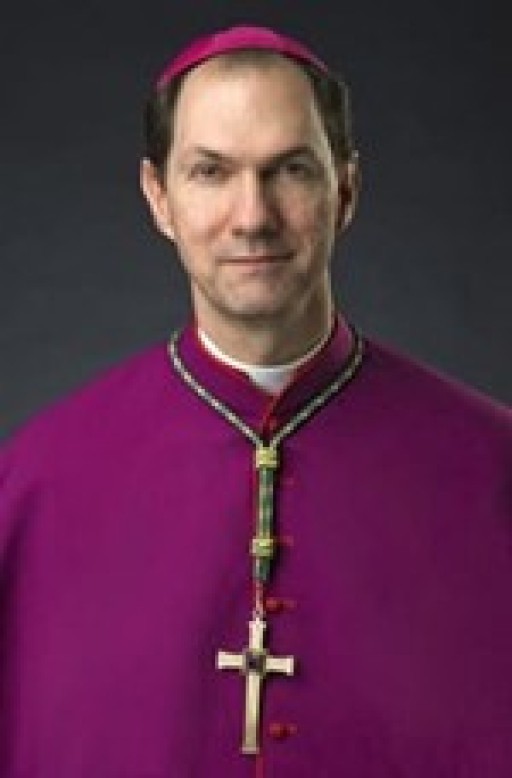
Most Revered John T. Folda | Chairman, Subcommittee on Native American Affairs | Bishop Diocese of Fargo
Every technological development has changed the way we live, work, build, and communicate. Like the printing press and the computer chip before it, artificial intelligence has exploded on the scene, and it will have a profound impact on our lives from now on.
AI has great promise and potential. Already it is being used to further the work of medical care, weather prediction, and engineering. In its best form, it could open paths to improve the lives of people all over the world. However, AI could also be used to exploit and dominate or to create division and strife. As AI becomes more versatile and powerful, the moral evaluation of AI will become even more important. And this is where human reason and conscience become indispensable. Every human person has a God-given conscience that allows us to evaluate the morality of a given act. AI can approximate this moral evaluation, but conscience is unique to our humanity.
In every era, the Church reflects on developments that affect the human family, and it does so in light of our faith in God. Pope Leo XIV has frequently spoken of the revolutionary changes that will come with advancements in technology, especially AI. But he also warns that such changes must always respect the unique dignity and individuality of the human person. He urges that we use this very advanced and powerful technology to benefit not just a few but all: to benefit the common good. Underlying his exhortation, he appeals once again to the “civilization of love,” which is rooted in our relationship with God, who is love itself.
In his first encyclical letter, Magnifica Humanitas, Pope Leo addresses both the opportunities and the risks associated with AI. His purpose is to remind us of the dignity of every human person in light of these new developments—and to caution against losing sight of our dignity in our enthusiasm for AI and the innovations that flow from it. The human person is sacred and endowed with God-given dignity and rights and must always have primacy in our decisions and actions.
In his May 2026 address introducing the encyclical, Pope Leo told us: “Every person is unique and irreplaceable, a free and intelligent subject with a conscience, capable of seeking God, serving one another, caring for our common home.” Even as AI promises to bring enormous change to our culture and our world, we must work together to build a more human and fraternal society, and we must never lose sight of the unique, God-given dignity of each of our brothers and sisters.
Technology can be a useful tool, but it can never substitute for the genius and creativity of the human person. It cannot love sacrificially or aspire to the transcendent life that God has prepared for us. As with all new things, we should approach AI with a firm grounding in the truths that God has revealed to us and in the light of the saving love of Jesus Christ. Let us pray for the wisdom of the Holy Spirit as we continue this journey together.