

General
One Church Many Cultures Fall Winter 2026 An Apology for the Ages
An Apology for the Ages
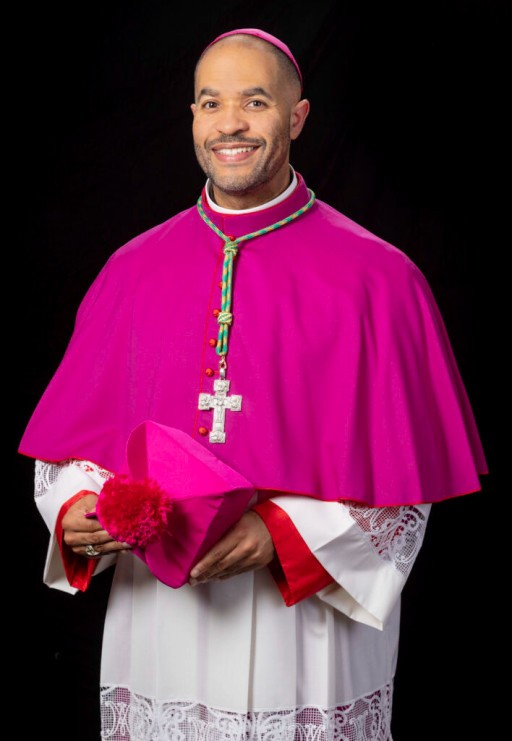
Bishop Robert Boxie III | Archdiocese of Washington
Pope Leo XIV’s first encyclical, Magnifica Humanitas, is the document for our times. Steeped in Church Tradition and Catholic social teaching, it underscores the dignity of the human person in the era of artificial intelligence, a rapidly expanding phenomenon touching nearly every aspect modern society. AI, like technology generally, has great potential to enhance human flourishing, but AI also can diminish us. Pope Leo reiterates throughout his encyclical that any technology, progress, or “upgrades” in civilization must affirm the dignity of the human person, safeguard our sacredness, and be ordered to the common good, justice, and the care of the vulnerable and our common home. These fundamental tenets of our faith provide the lens to evaluate everything we do.
Deeply embedded in the document and easily missed is paragraph 176. Here Pope Leo asks forgiveness for the Church’s past complicity in slavery and the trafficking of human beings. He acknowledges this “wound in Christian memory” and notes that although the Church has always upheld the dignity of the human person, her full understanding of this teaching and its incompatibility with slavery has matured over time—exactly 18 centuries! Now the pope asks for pardon. The United States, too, has a painful connection to slavery: the nation’s participation in the transatlantic slave trade, which trafficked nearly 13 million Africans across the ocean. Chattel slavery dominated our history even before our nation’s founding. Enslaved Africans were treated as property without basic human dignity. They endured some of the most inhumane conditions known to any civilization. Unfortunately, the legacy of slavery remains today in wide racial disparities.
Many, including myself, were surprised at Pope Leo’s admission and request for forgiveness in a document concerning AI. But he is being historically honest and theologically consistent. He gives this apology in the context of new “digital” forms of slavery and human trafficking involved in AI’s development and the digital economy created from it. Identifying modern forms of slavery allows the pope to reiterate the Church’s past condemnation “of all forms of slavery, trafficking and the commodification of persons” (no. 174). And he recalls the broader practices of slavery and human trafficking in church history—a grave denial of the human dignity of so many. It should not surprise us that the first American pope, who has African ancestry and descended from those who were both enslaved and were enslaved, would be sensitive to this history. He has the authority to set the historical record straight in the Church—that enslavement and trafficking were wrong, and the Church was wrong ever to participate in them—and he does.
For so many people, especially descendants of those enslaved, this admission and apology are long overdue. Perhaps more importantly, Pope Leo gives us the opportunity, even permission, for real healing of our collective conscience (national and ecclesial). He urges us to remove barriers that prevent us from confronting together this past evil and address its lingering effects. The pope allows us to have honest dialogue about how we have all been wounded by this past sin and about how our nation and our Church benefited from the (mis)treatment of her sons and daughters of African descent. This is a necessary first step towards building a civilization of love” (no. 38). A document extolling the magnificent dignity of the human person should speak about the great indignity and inhumanity of slavery. Thank you, Pope Leo, for giving voice to what so many people have waited so long for and what justice requires.