
The USCCB Mission Directive and the Committee on Cultural Diversity in the Church: Missionary Disciples Journeying Together
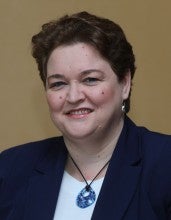
By: Maria del Mar Muñoz-Visoso, M.T.S.| Executive Director, Secretariat of Cultural Diversity in the Church, USCCB
For longer than a year and a half, the Committee on Cultural Diversity in the Church has fully focused on the intersection between the USCCB’s 2025-2028 Mission Directive and its own committee mandate, which was established by the US bishops in 2008 and was slightly updated and affirmed in early 2025.
The USCCB’s Mission Directive—the Conference’s overall goal for the current four-year planning process—reads as follows: “Responding even more deeply to the call of Christ to proclaim the Gospel and form Missionary Disciples, the Committees and Staff of the USCCB, submitting to the inspiration of the Holy Spirit, will prioritize the work of the Conference to help equip bishops, clergy, religious, and the laity in evangelizing those who are religiously unaffiliated or disaffiliated from the Church, with special focus on youth and young adults.”
The mandate of the Committee on Cultural Diversity in the Church states: “In a spirit of missionary discipleship and synodality, the standing committee assists the bishops, both collectively and individually, by working collaboratively with all the committees of the Conference and with bishops and their dioceses to bring Catholics from various culturally diverse communities into a fuller participation in the faith, life, and evangelizing mission of the Church. The committee especially works to promote an awareness of cultural diversity within all the committees and offices of the USCCB. This mandate includes the following areas of responsibility: Pastoral care of African American Catholics, Asian and Pacific Island Catholics, Hispanic/Latino Catholics, Native American Catholics, and Catholic migrants, refugees, and people on the move.”
After some dialogue and discernment, the committee determined that it is uniquely positioned to advance the mission directive among the populations under its pastoral care. It is imperative for us to continue promoting intercultural dialogue and encounter within the Church and in society, as well as intercultural competence in ministry at all levels.
To this end, and by popular demand, the committee has recently published the Journeying Together Handbook: A Manual for Intercultural Encounter. We hope that dioceses, parishes, schools, religious communities, and national organizations will find inspiration in this process—which was led by young adults in dialogue with the bishops and ministry leaders—and will be able to use it and adapt it for their needs. A companion resource, the Journeying Together Proceedings document, has also been completed. To the original learnings from the intracultural and intercultural dialogue sessions, the finalized proceedings add the visioning and planning that emerged from Alive in Christ, the national Journeying Together event. Both resources are posted now and available on the committee’s website.
The Journeying Together process for intercultural encounter motivated young adults and ministry leaders in many communities, movements, and national organizations to emphasize a renewed and urgent focus on youth and young adults, including attention to young couples and families.
In recent years the Committee on Cultural Diversity in the Church has also taken decisive steps toward fulfilling the USCCB’s Mission Directive through several other processes of synodal consultation and discernment between the bishops and the various cultural families under their pastoral care. Implementing the documents and pastoral responses emanating from those processes (e.g., Encountering Christ in Harmony: A Pastoral Response to Asian and Pacific Islanders; Missionary Disciples Going Forth with Joy: National Pastoral Plan for Hispanic/Latino Ministry; Keeping Christ’s Sacred Promise: A Pastoral Framework for Indigenous Ministry; National Black Catholic Congress XIII: Plan of Action; Ten Years of Pastoral Visits to Migrant Workers, etc.) will be the main way in which the committee both fulfills its mandate and advances the USCCB Mission Directive.
Finally, dioceses and national organizations continue to express strong demand for training according to the Building Intercultural Competence for Ministry (BICM) curriculum. After several consultations that included experts in the field, staff are now working to update the various modules and consider developing additional materials to explore the various competencies in greater depth.
Our bishops’ committee and secretariat are fully committed to the USCCB Mission Directive and our own mandate. We are missionary disciples journeying together. Come and see!